Cotopaxi Allpa Mini 20L Travel Pack Review
The Cotopaxi Allpa Mini 20L Travel Pack is a lightweight, travel-focused backpack with smart organization, durable materials, and limited everyday versatility.
Our Verdict
Save time. Get access to brief summaries of our reviews so you can browse and make decisions more efficiently.
Pros
- The durable, water-resistant materials are made from recycled fabrics
- It's lightweight for a travel-focused backpack
- Excellent internal organization removes the need for packing cubes
Cons
- The lack of a dedicated laptop compartment limits everyday use
- Flexible structure depends heavily on your packing skills
- It has limited space for bulky items like extra shoes
Technical Details
-
Capacity
20l
-
Weight (lb)
1.38 lb (0.6 kg)
-
Dimensions
17 in x 10 in x 8 in (43.2 x 25.4 x 20.3 cm)
-
Notable Materials
Thermoplastic Polyurethane (TPU), Recycled Nylon, Ripstop Polyester, Recycled Materials
-
Warranty Information
Full Review
The Cotopaxi Allpa Mini 20L Travel Pack is one of those backpacks that immediately tells you what it wants to be—and just as importantly, what it doesn’t. At a glance, it borrows heavily from the larger Allpa travel pack lineup (some of which we’ve tested), with its bold aesthetic, clamshell opening, and adventure-ready materials. But scaled down to 20 liters, this version targets a very specific kind of traveler: someone who prioritizes minimalism, airline compliance, and simplicity over all-in-one versatility. With a weight of around 1.38 pounds (0.6 kg), it’s notably lightweight for its durability class, making it an appealing option for strict personal-item travel.
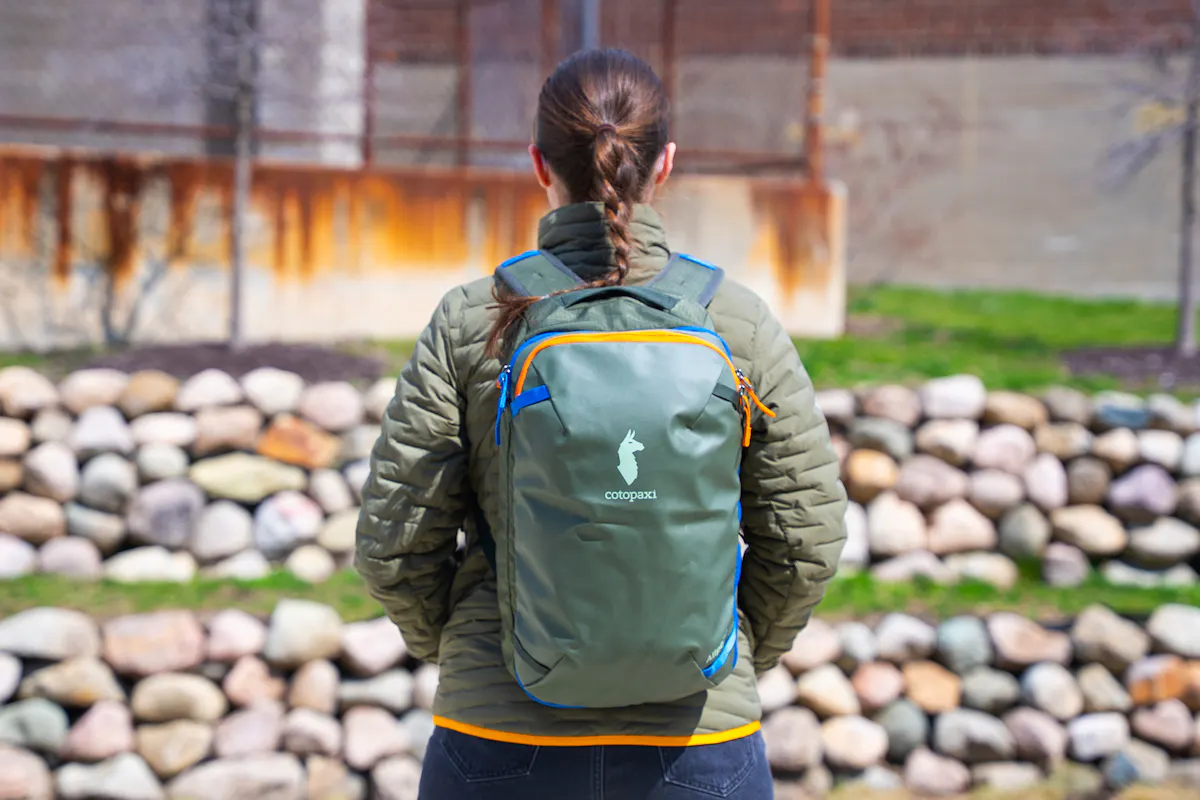
After testing, we found that this travel backpack leans heavily into its globe-trotting DNA. While many 20L backpacks try to bridge the gap between everyday carry and short trips, the Allpa Mini doesn’t quite play that game. Instead, it doubles down on structured packing, weather-resistant materials, and a suitcase-style layout that eliminates the need for packing cubes. That makes it a compelling choice for the right user—but potentially limiting for those expecting a hybrid work-and-travel solution.
External Components
From the outside, the Cotopaxi Allpa Mini 20L Travel Pack feels like a distilled version of its larger siblings. The materials are a standout feature here, with a combination of recycled 840D TPU-coated nylon on the front and 840D ballistic ripstop nylon on the back. These fabrics strike a balance between rugged durability and environmental consciousness, and in testing, they hold up well against light rain and abrasion. Water tends to bead up on the surface rather than soak in, giving you confidence when traveling in unpredictable weather.
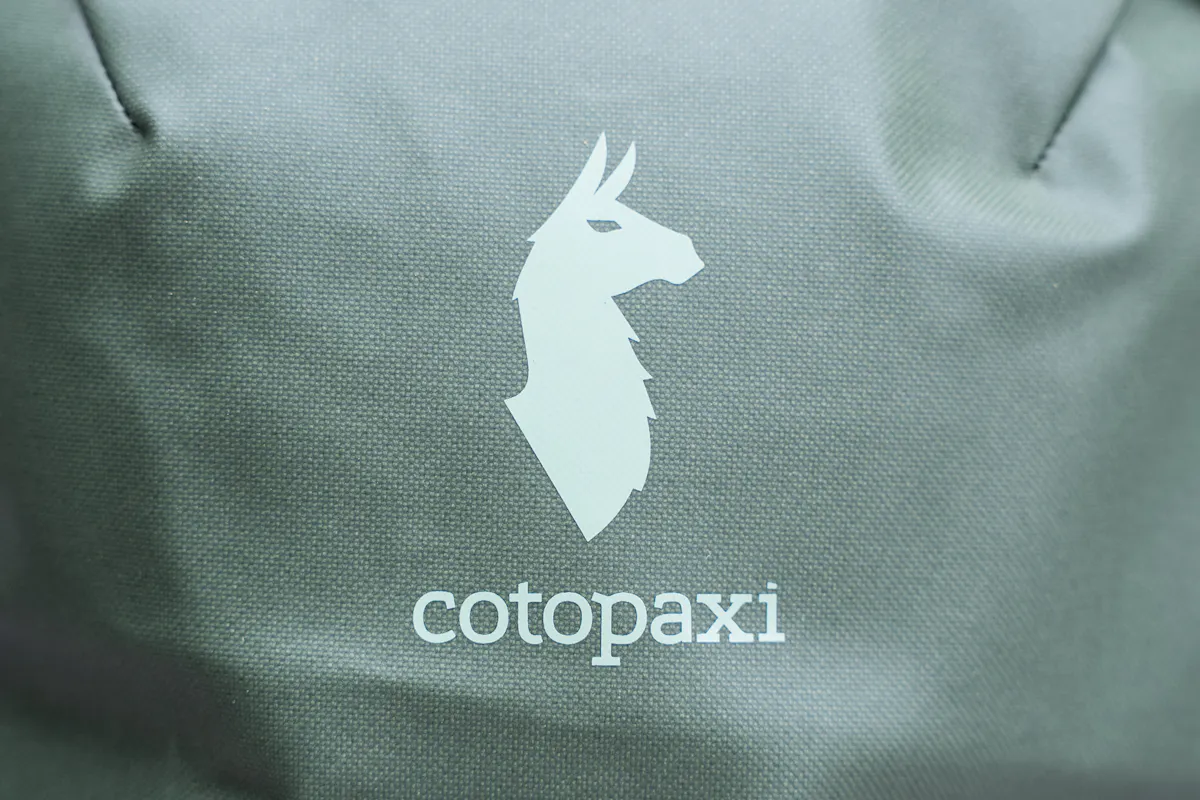
The overall design is relatively minimal, though visually loud thanks to Cotopaxi’s signature color-blocking. There are webbing lash points on the front and top of the pack, offering some modularity for attaching extra gear. While we appreciate their inclusion, they’re not as robust or expansive as what you’d find on more technical travel or hiking packs. Instead, they feel like a subtle nod to versatility rather than a core feature.
Zippers across the bag are reverse-coil YKK, which glide smoothly and feel reliable. However, they aren’t AquaGuard, meaning they don’t provide the same level of water sealing as coated zippers. For most urban or light travel scenarios, this won’t be a dealbreaker, but it’s something to keep in mind if you’re frequently caught in heavy downpours.
The harness system is simple and lightweight, aligning with the bag’s minimalist ethos. The back panel has modest padding—enough to provide comfort without adding bulk. There’s no internal frame or rigid structure, which means the bag’s shape is largely dictated by what you pack inside. This can be a double-edged sword. On one hand, it allows the bag to conform to your body and remain flexible in tight spaces. On the other, it requires more intentional packing to avoid discomfort from hard or oddly shaped items pressing against your back.
Shoulder straps are reasonably padded and lined with a soft mesh material that feels comfortable against the body. They contour well and don’t dig in under lighter loads, though we wouldn’t recommend pushing this bag too far beyond its intended capacity. A sliding sternum strap helps dial in the fit, and while there’s no hip belt, we didn’t miss one given the pack’s size and intended use.
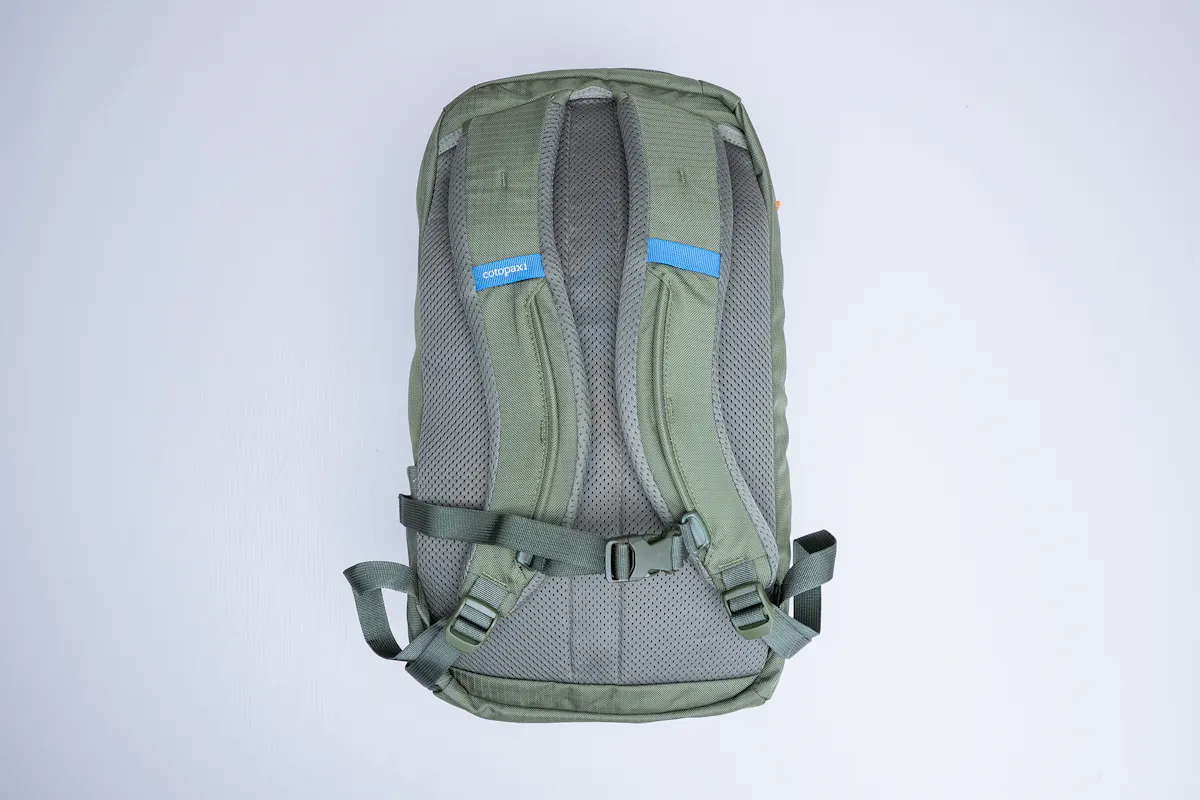
The top carry handle is minimal and unpadded, sitting flush against the bag when not in use. It’s functional for quick grabs but not something you’d want to rely on for extended carrying. Overall, the harness system reflects the bag’s priorities: lightweight, simple, and just comfortable enough for short-term travel.
Fit Notes
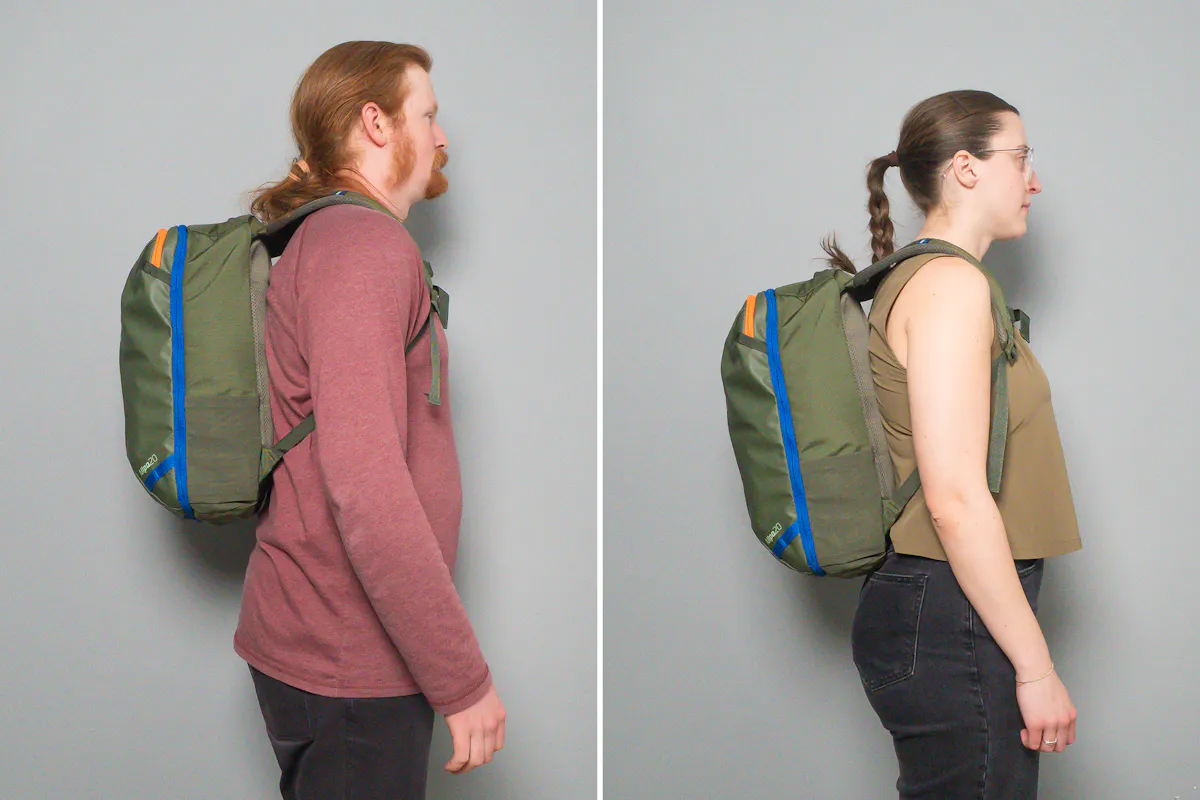
When it comes to fit, the Cotopaxi Allpa Mini 20L Travel Pack performs best when worn slightly lower on the back than you might expect. We found that positioning it higher caused the shoulder straps to ride up and press into the neck, which can become uncomfortable over time. Letting the straps out a bit allows the bag to sit more naturally, improving overall comfort without compromising stability.
For shorter users, this lower carry position works surprisingly well because the bag’s compact height doesn’t interfere with the lower back or hips. It avoids that awkward “too tall for your torso” feeling that some travel packs can create. However, it does require a bit of adjustment to find the sweet spot, especially if you’re used to wearing backpacks higher and tighter.
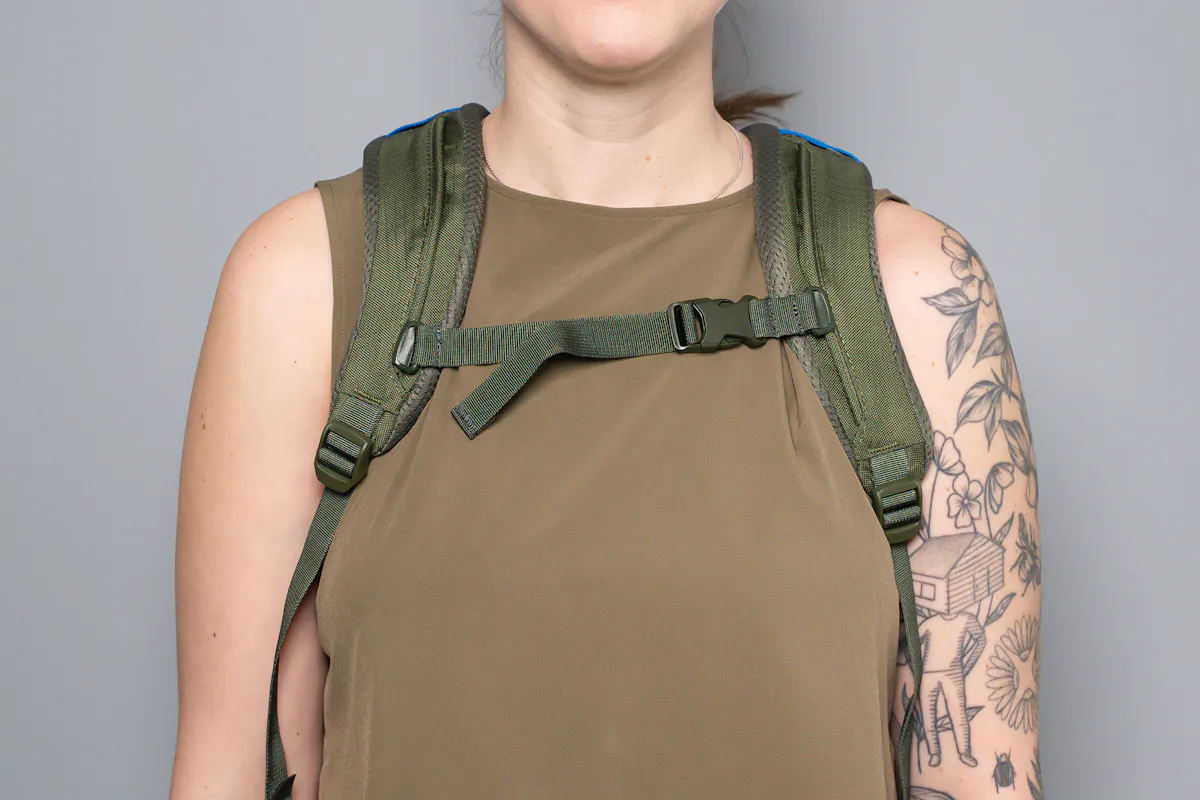
On the flip side, users with longer torsos or larger frames will likely find this bag even more comfortable. The added space allows for a more traditional fit without the need to loosen the straps as much. In those cases, the bag sits naturally and distributes weight more evenly across the shoulders.
Inside The Backpack
The interior of the Cotopaxi Allpa Mini 20L Travel Pack is where its travel-first design becomes most apparent. The clamshell opening reveals a fully segmented layout that more closely resembles a suitcase than a traditional backpack. This design is intended to eliminate the need for packing cubes, and in practice, it does exactly that.
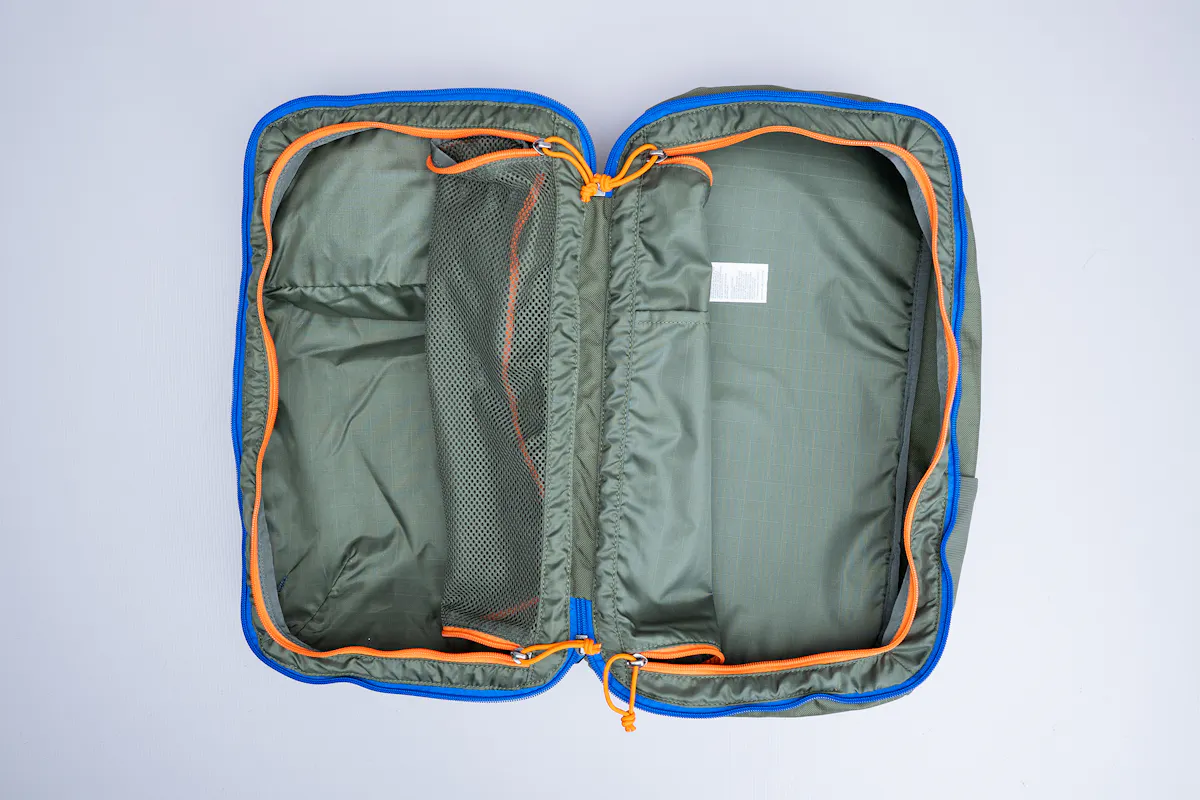
On one side, you get a deeper compartment that’s ideal for clothing. We were able to comfortably fit multiple outfits—enough for three to four days of travel without overpacking. With more minimalist packing strategies, it’s possible to stretch that to a week or more, especially if you’re comfortable re-wearing items or doing laundry along the way. The structured layout helps keep everything in place, even when the bag gets jostled around in transit.
Opposite this is a shallower mesh compartment that’s better suited for accessories, toiletries, or smaller gear. It doesn’t offer as much volume, but it provides visibility and separation, which is helpful when organizing different types of items. The mesh material also adds a bit of breathability, which can be useful for damp or frequently used gear.
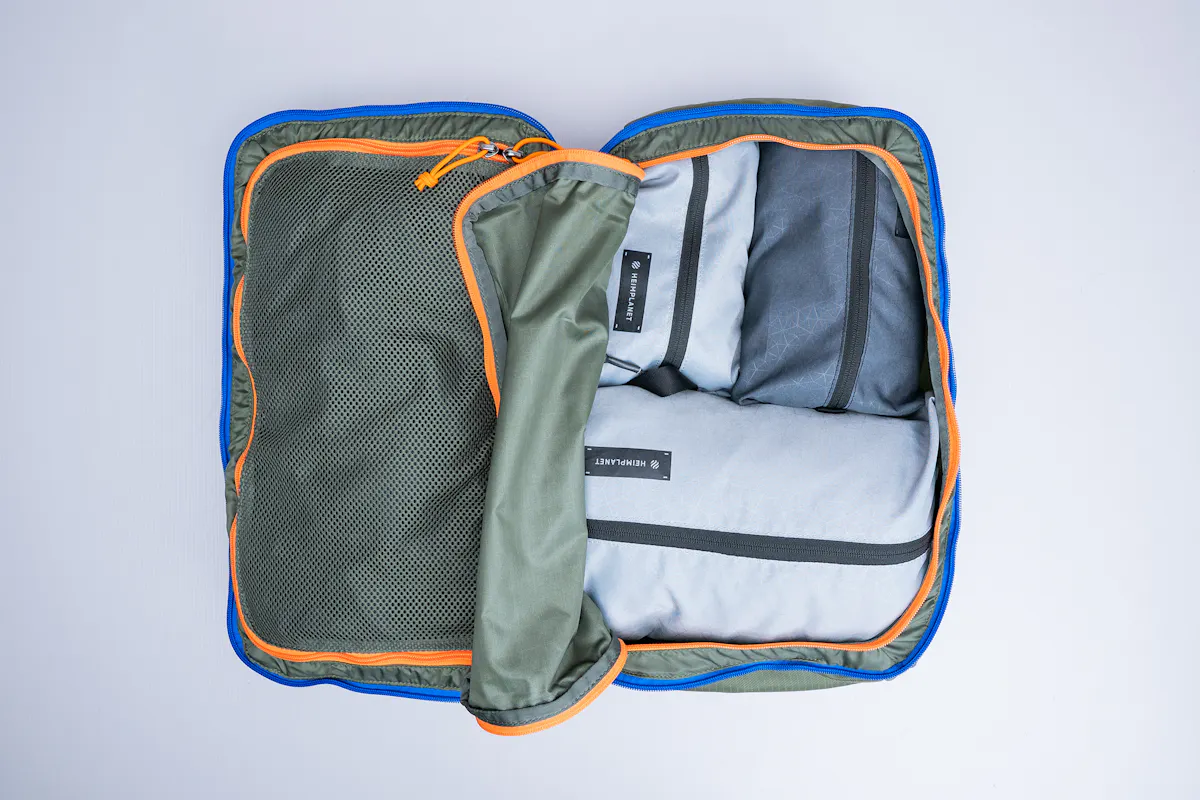
One notable inclusion is a tablet sleeve, which offers a dedicated space for smaller devices. However, there’s no laptop compartment, which significantly limits the bag’s versatility for work or school use. While some users may be able to squeeze in a small laptop, it’s not designed for that purpose and lacks the padding and structure you’d expect for protecting more expensive tech.
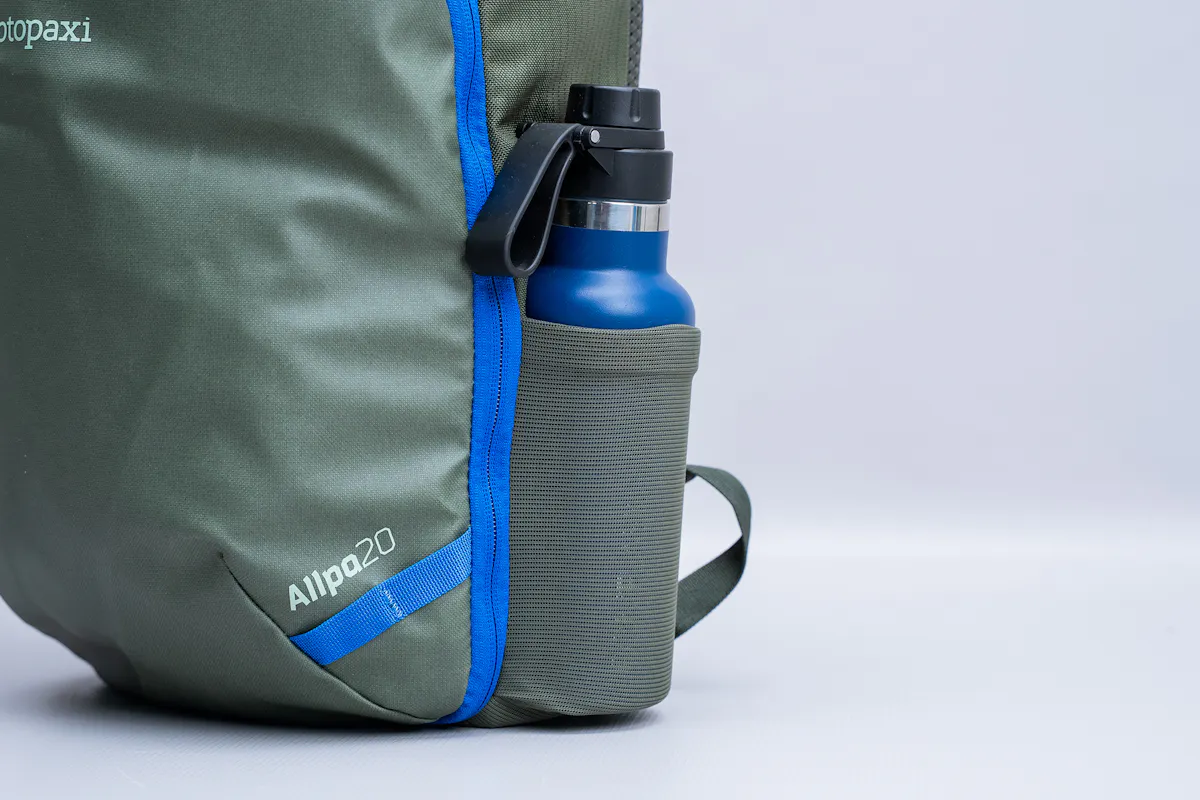
The top quick-access pocket functions as a catch-all for smaller items like your phone, keys, or earbuds. It includes a short key leash and a small mesh divider to help prevent items from getting lost in the shuffle. While we found it functional, it doesn’t extend very far into the bag, which can make it slightly harder to access items at the bottom. As for hydration, there is a large pocket on the side that can fit water bottles up to 24 oz.
One trade-off of this segmented design is how the compartments interact with one another. Overpacking one section—particularly the front pocket—can eat into the available space in the main compartment. This requires a bit of planning and awareness when packing, but it’s a manageable compromise once you get used to the layout.
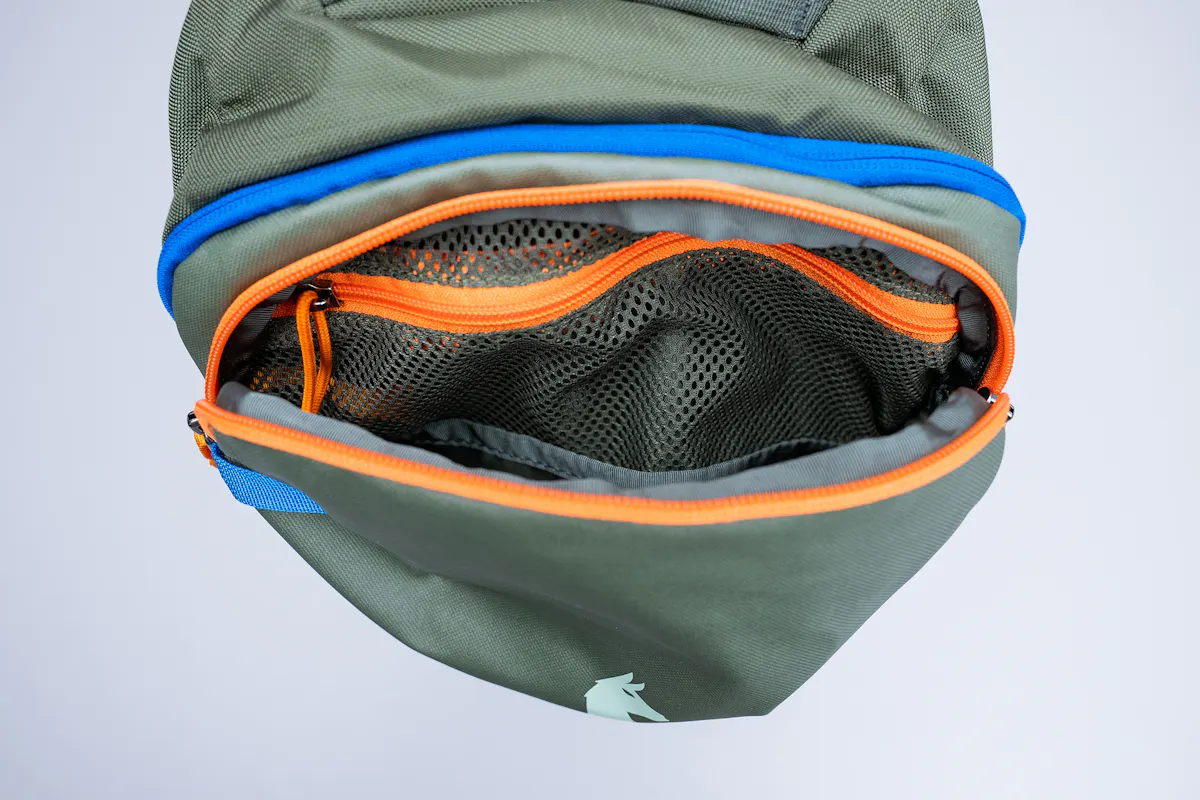
Another limitation is shoe storage. The bag can technically fit an extra pair, but doing so takes up a significant portion of the available space. For most users, this will be a one-shoe travel setup, where you wear your primary pair and pack only lightweight alternatives if needed.
Overall, the interior excels at what it’s designed to do: provide structured, efficient packing for travel. But it does so at the expense of flexibility, particularly for users who want a bag that can transition seamlessly between different use cases.
Usage Timeline
Condition: Excellent
- Enough space for a long weekend if you pack smart
- Digging the separated compartments
- Pretty comfortable carry, though it’s best on smaller frames




Get your questions about the Cotopaxi Allpa Mini 20L Travel Pack answered from our team and the Pro Community right here on the page. Plus, join discussions with other members about gear, guides, and more.
Join Pack Hacker Pro or, Sign In